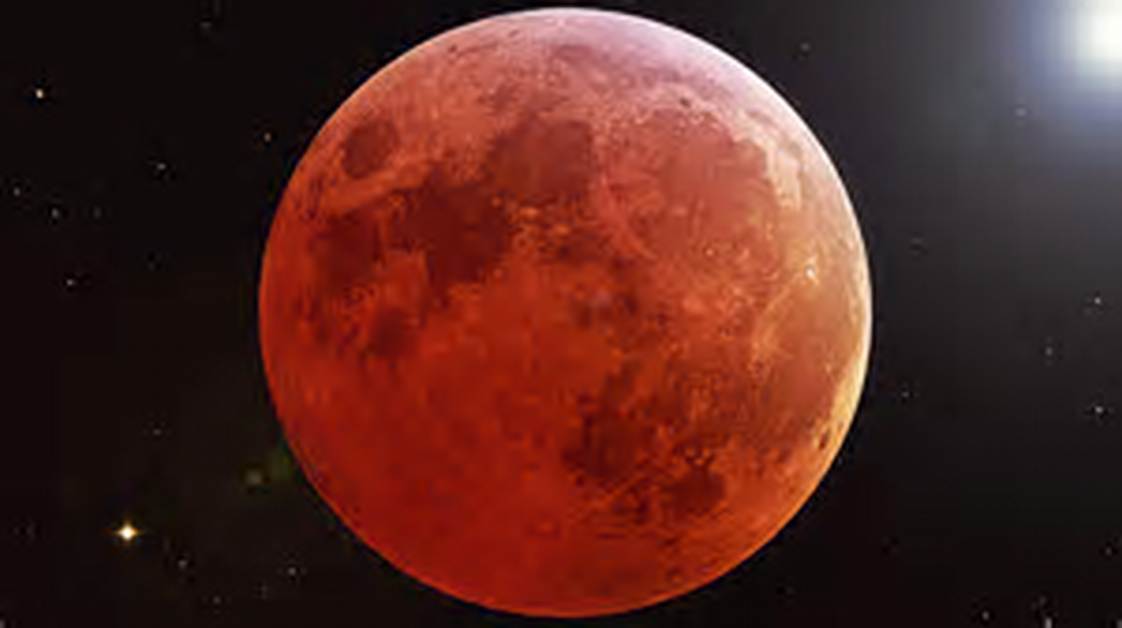
Mars, often referred to as the Red Planet, has captivated human imagination for centuries. This celestial neighbor is not only the fourth planet from the Sun but also a significant point of interest for astronomers and space enthusiasts alike. Its reddish appearance, caused by iron oxide or rust on its surface, has led to numerous myths and stories throughout history. As we delve deeper into our understanding of this enigmatic world, we uncover a wealth of intriguing facts about Mars that reveal its mysteries and potential for future exploration.
Over the years, Mars has become a focal point for scientific research, particularly in the context of potential human colonization and the search for extraterrestrial life. The planet's unique characteristics, from its towering volcanoes to its deep canyons, provide a fascinating glimpse into the geological processes that shape planetary bodies. With ongoing missions from various space agencies, we are continually expanding our knowledge of Mars and its place in our solar system.
In this article, we will explore a variety of facts about Mars that highlight its distinct features, history, and the latest discoveries. From its atmosphere to its moons, we aim to paint a comprehensive picture of this intriguing planet and its significance in our quest for knowledge beyond Earth.
What Are the Geological Features of Mars?
Mars is home to some of the most dramatic geological features in our solar system. Here are a few noteworthy characteristics:
- Olympus Mons: The tallest volcano in the solar system, standing at about 13.6 miles (22 kilometers) high.
- Valles Marineris: A canyon system that stretches over 2,500 miles (4,000 kilometers) long and up to 7 miles (11 kilometers) deep.
- Polar Ice Caps: Mars has polar ice caps made of water and dry ice (frozen carbon dioxide) that grow and recede with the changing seasons.
What Is the Composition of Mars' Atmosphere?
The atmosphere of Mars is thin and composed primarily of carbon dioxide (about 95.3%), with traces of nitrogen (2.7%), argon (1.6%), and oxygen (0.13%). This composition has significant implications for the planet's climate and potential habitability.
How Does Mars' Climate Compare to Earth?
Mars has a much colder climate than Earth, with average temperatures around -80 degrees Fahrenheit (-62 degrees Celsius). However, temperatures can vary significantly:
- Daytime temperatures near the equator can rise to about 70 degrees Fahrenheit (20 degrees Celsius).
- Nighttime temperatures can plummet to -195 degrees Fahrenheit (-125 degrees Celsius) near the poles.
What Are the Moons of Mars Like?
Mars has two small moons, Phobos and Deimos, which are irregularly shaped and thought to be captured asteroids. Here are some facts about these moons:
- Phobos: The larger of the two moons, Phobos orbits Mars at a distance of about 3,700 miles (6,000 kilometers) and is gradually spiraling closer to the planet.
- Deimos: The smaller moon orbits at a distance of about 14,600 miles (23,500 kilometers) and is moving further away from Mars.
Is There Water on Mars?
One of the most compelling facts about Mars is the evidence of water in various forms. While liquid water is scarce, scientists have discovered:
- Polar ice caps made of water ice.
- Seasonal dark streaks on slopes, known as recurring slope lineae, which may indicate the presence of salty liquid water during warmer months.
- Ancient riverbeds and lakebeds, suggesting that Mars was once a wetter planet.
What Have We Learned from Mars Missions?
Numerous missions have been sent to Mars, significantly advancing our understanding of the planet. Noteworthy missions include:
- Mariner 4: The first successful flyby of Mars in 1965, providing the first images of the Martian surface.
- Viking Program: The first successful landers in the 1970s that conducted experiments to search for signs of life.
- Curiosity Rover: Launched in 2011, it has provided valuable data about Mars' climate and geology, and has discovered organic molecules.
- Perseverance Rover: Launched in 2020, its mission includes searching for signs of ancient life and preparing for future human exploration.

